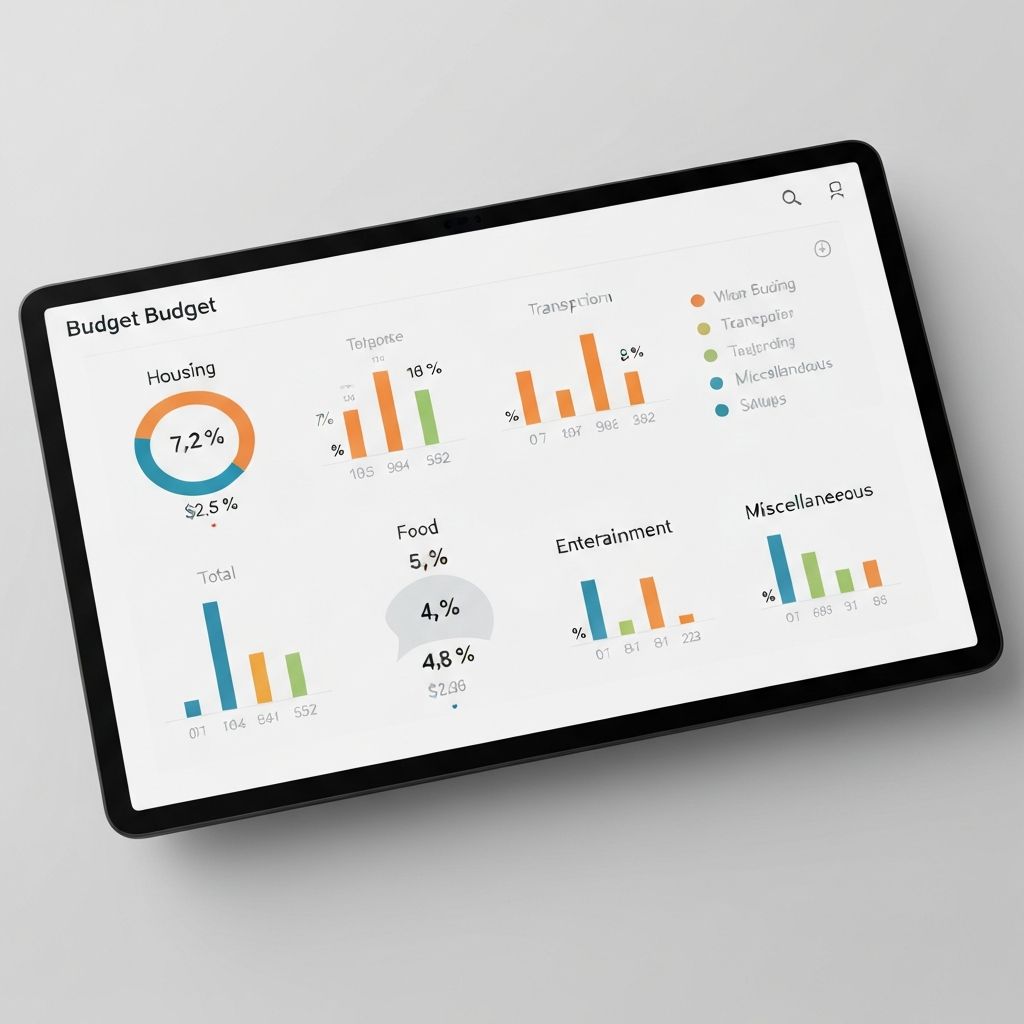
When organizing personal finances, people often group their expenses into categories. This article describes commonly used budget categories and how they typically function in expense tracking.
Housing and Accommodation
This category typically includes expenses related to where a person lives. Common items in this group are monthly housing payments, property maintenance fees, and related housing costs.
For renters, this might include monthly rent payments. For homeowners, it may encompass mortgage payments and property-related expenses. Utilities are sometimes included here or placed in a separate category.
Utilities and Services
Many people create a separate category for recurring service expenses. This often includes electricity, water, gas, internet service, and phone services. These are expenses that typically recur monthly and are necessary for daily living.
Food and Groceries
Expenses for groceries and food purchases form a common budget category. This typically includes supermarket shopping, fresh produce purchases, and basic food supplies for preparing meals at home.
Some individuals separate restaurant dining into its own category, while others include all food-related expenses together. The distinction depends on personal preference and how detailed someone wants their tracking to be.
Transportation
Transportation-related expenses often include vehicle fuel, public transit fares, vehicle maintenance, and parking fees. For those who own vehicles, this category might also include related periodic expenses.
The specific items in this category vary based on how an individual typically travels. Urban residents who use public transportation may have different subcategories than those who primarily drive personal vehicles.
Personal Care and Health
This category typically encompasses health-related purchases and personal hygiene items. Common expenses include pharmacy purchases, personal care products, and health-related supplies.
Some people include health insurance costs here, while others may list them under a separate insurance category.
Clothing and Household Items
Purchases of clothing, footwear, and household goods often fall into this category. This includes items needed for personal wear and basic household supplies that are not food-related.
Entertainment and Leisure
Discretionary spending on entertainment, hobbies, and leisure activities is commonly tracked in this category. This might include streaming service subscriptions, recreational activities, or hobby-related purchases.
Education and Development
Expenses related to learning, education materials, courses, or skills development may be grouped together. This could include books, educational subscriptions, or learning-related fees.
Miscellaneous and Other
Most budget systems include a category for expenses that do not fit neatly into predefined groups. This catchall category helps account for occasional or irregular purchases that do not warrant their own category.
Customization and Personal Preferences
The categories people use in their budgets are not standardized. Individuals often customize categories based on their specific needs, spending patterns, and what level of detail they find useful for understanding their expenses.
Some people prefer fewer, broader categories, while others create many specific subcategories. The structure typically reflects what makes sense for that person's particular financial situation and tracking goals.
Educational Note
This article describes commonly observed budget categories for educational purposes. The categories listed are examples and not recommendations. Budget organization is a personal matter that varies based on individual circumstances.