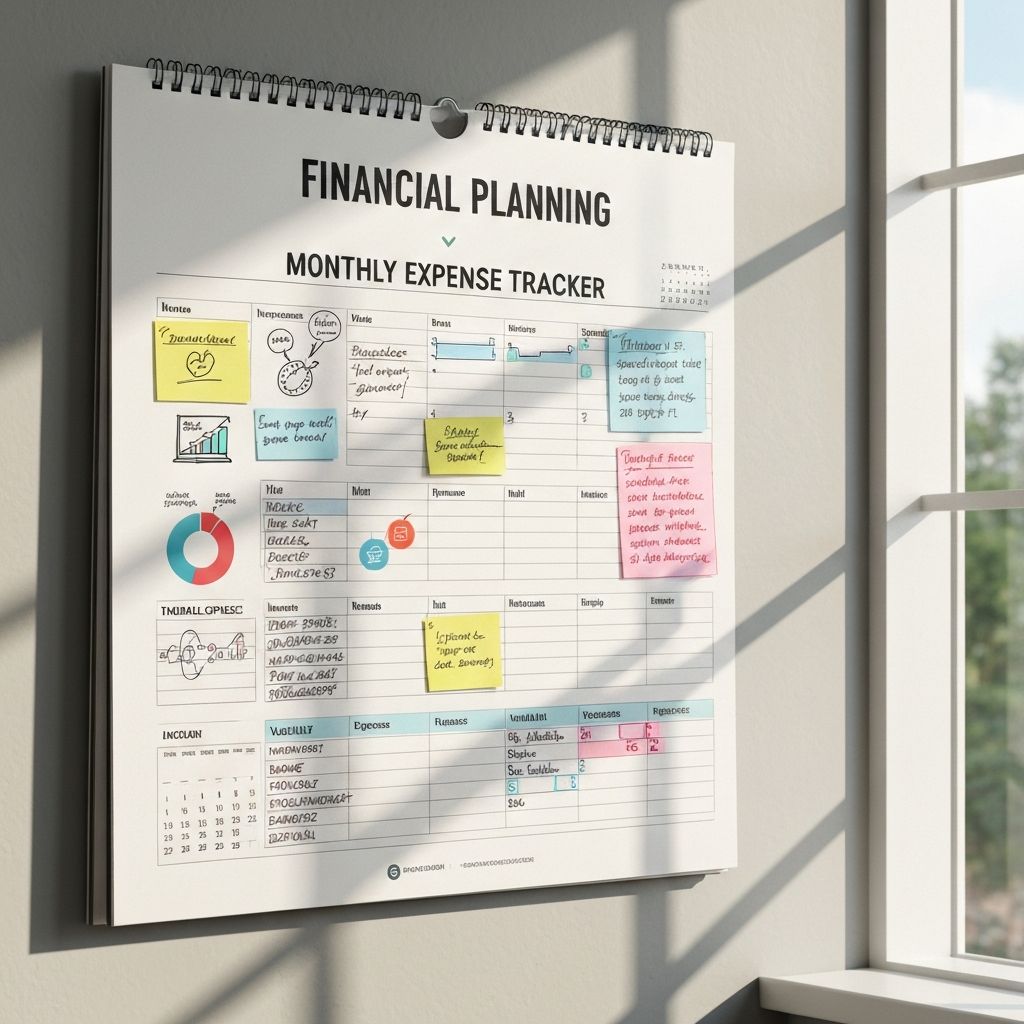
Monthly financial habits involve recurring patterns in how individuals organize their spending activities. This article describes common approaches people take when managing expenses on a monthly basis.
Beginning of Month Review
Many people conduct a review at the start of each month. This often involves looking at fixed expenses that will occur during the upcoming period and noting when they are scheduled.
During this time, individuals may list their regular monthly obligations and make note of any known upcoming expenses that differ from typical months.
Tracking Fixed Expenses
Fixed monthly expenses are those that occur regularly and typically remain at the same amount each month. People often note these separately from variable expenses because they can be anticipated.
Common fixed expenses include housing costs, subscription services, and regular service bills. Knowing these amounts helps individuals understand what portion of their monthly resources goes toward predictable obligations.
Monitoring Variable Spending
Variable expenses change from month to month based on usage or circumstances. These might include grocery costs, fuel expenses, or discretionary purchases that vary in frequency and amount.
People track these expenses throughout the month using various methods to maintain awareness of spending as it occurs rather than only reviewing it after the month ends.
Weekly Check-ins
Some individuals establish a habit of checking their expenses weekly rather than waiting for month-end. This more frequent review allows them to observe spending patterns while there is still time remaining in the month.
Weekly reviews are typically briefer than full monthly assessments and focus on ensuring expense tracking is current and identifying any unusual spending that occurred.
End of Month Summary
At the close of a month, people often total their expenses by category to see overall patterns. This summary process involves adding up amounts spent in different areas and comparing them to previous months.
The end-of-month review provides a complete picture of spending for that period and allows individuals to observe which categories had higher or lower expenses than usual.
Noting Irregular Expenses
Some expenses occur less frequently than monthly but still need to be considered. People handle these irregular costs differently - some set aside amounts monthly in anticipation, while others simply note them when they occur.
Examples include quarterly payments, annual fees, or seasonal expenses that do not fit the monthly pattern but still affect overall financial organization.
Adjustment of Categories
Over time, individuals may adjust how they categorize expenses based on what proves useful. If certain expense types become more frequent, a person might create a new category. If others rarely occur, categories might be combined.
This ongoing refinement reflects how people adapt their tracking systems to match their actual spending patterns and what information they find helpful to see organized.
Consistency in Practice
The effectiveness of monthly habits typically relates to consistency. People who maintain regular practices - whether daily tracking, weekly reviews, or monthly summaries - tend to have clearer awareness of their spending patterns than those who track sporadically.
Educational Note
This article describes observed patterns in monthly spending habits for educational purposes. Practices vary widely among individuals, and there is no single correct approach to organizing monthly expenses.