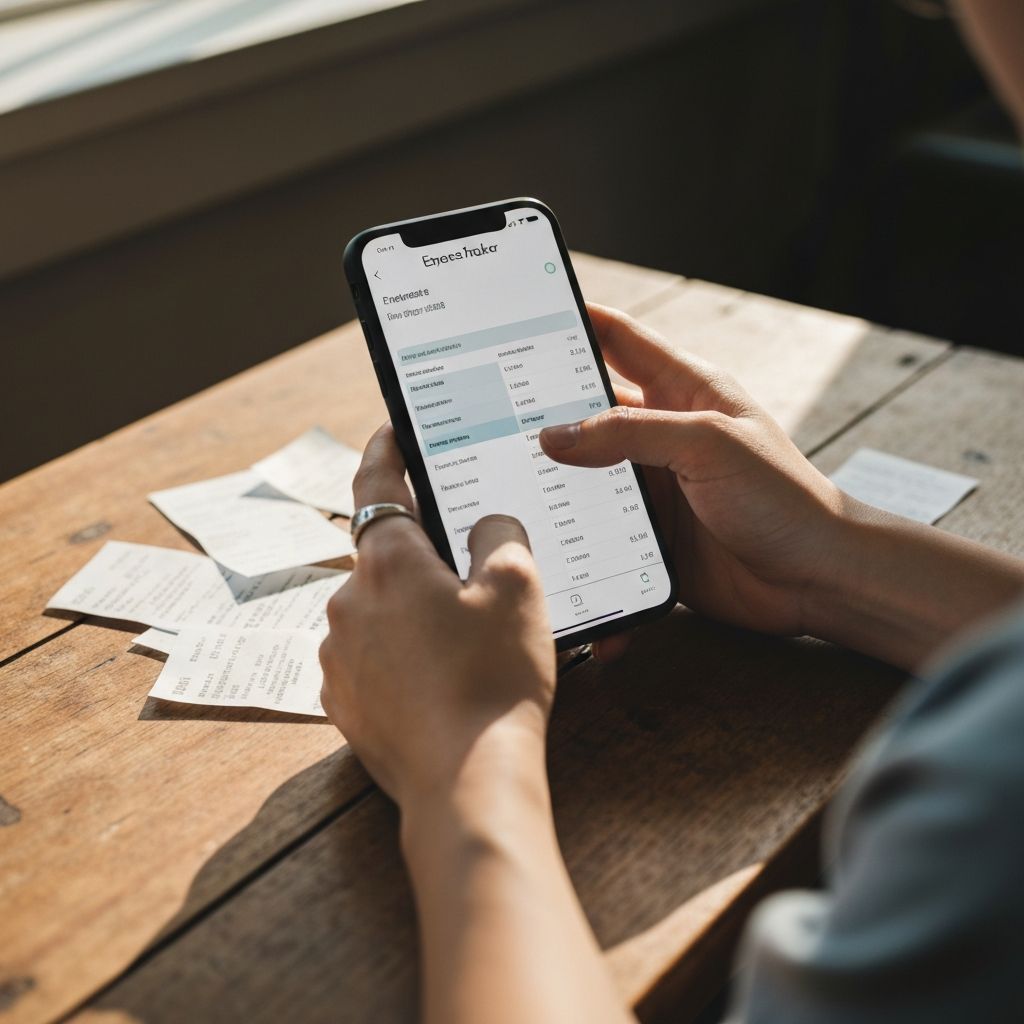
Tracking daily expenses is a common practice that many individuals use to maintain awareness of their spending patterns. This article describes various approaches people take when monitoring everyday transactions.
Written Records and Notebooks
Some people prefer keeping handwritten records of their daily purchases. This method typically involves carrying a small notebook or using a dedicated section in a planner to write down expenses as they occur throughout the day.
The practice of writing expenses by hand allows individuals to immediately note the amount spent, the category of the purchase, and sometimes additional details about the transaction. This approach does not require technology and can be done anywhere.
Digital Spreadsheets
Many individuals use spreadsheet applications on their computers or devices to maintain expense records. These digital tables allow for organizing spending data into rows and columns, with categories for different types of expenses.
Spreadsheets can be customized to show different time periods, such as daily, weekly, or monthly views. People may create their own templates or use basic formats that list dates, descriptions, amounts, and categories.
Receipt Collection
Another common practice involves collecting and organizing physical receipts from purchases. Some people designate a specific location, such as an envelope or folder, where they place receipts throughout a given period.
At regular intervals, individuals may review these collected receipts to transfer the information into another tracking system or simply to maintain awareness of where money was spent.
Mobile Device Notes
The notes applications built into smartphones provide a simple way for people to record expenses. This method is accessible since most individuals carry their phones regularly, making it convenient to note a purchase shortly after it occurs.
People using this approach typically create a running list of expenses, sometimes organized by date or category, within a notes application they already have on their device.
Bank Statement Review
Some individuals track expenses by regularly reviewing their bank and credit card statements. This passive method involves looking at transaction history provided by financial institutions to see where money has been spent.
While this approach does not require active recording during purchases, it allows people to observe spending patterns after transactions have cleared.
Frequency of Recording
People vary in how frequently they record expenses. Some note every transaction immediately, while others set aside time at the end of each day or week to record multiple purchases at once. The frequency often depends on individual preferences and the volume of daily transactions.
Level of Detail
The amount of information recorded also differs among individuals. Some people track only the total amount spent, while others include details such as the merchant name, payment method, or specific items purchased. The level of detail typically reflects what information the person finds useful for understanding their spending.
Educational Note
This article describes common practices people use to track expenses. It is informational in nature and does not recommend specific methods or guarantee any particular outcome from expense tracking.